"Not all those who wander are lost."

J R R Tolkien

HOME...................................................EMAIL: joel.delorme@btopenworld.com............................................. MY WEBSITE

26 May 2011

Blogging is dead....long live Blogging

there seems to be that some fellow bloggers are having problems with accessing their own and others blogs at the moment.  I like mine and the fact that other people from around the world can follow it, and that I can follow other bloggers stories too. So I felt a bit of concern as to why: Is Blogger going down the pan? It appears not just yet...


Another misleading story reports that blogs ‘r’ dead
The technology press has been keen on the “blogging is dead” (or “dying”) meme for some time now, but it’s tough to find actual data or evidence supporting the notion. Blogging, of course, is changing; in the digital world, all is flux. But if you’re going to declare, as today’s New York Times headline does, that blogging is “waning,” it would be good to be able to show a decline in numbers. And that, sadly, is missing from the Times story — which cherry-picks statistics that look very different in their original contexts.

The rest of the story...
Corsican working knives

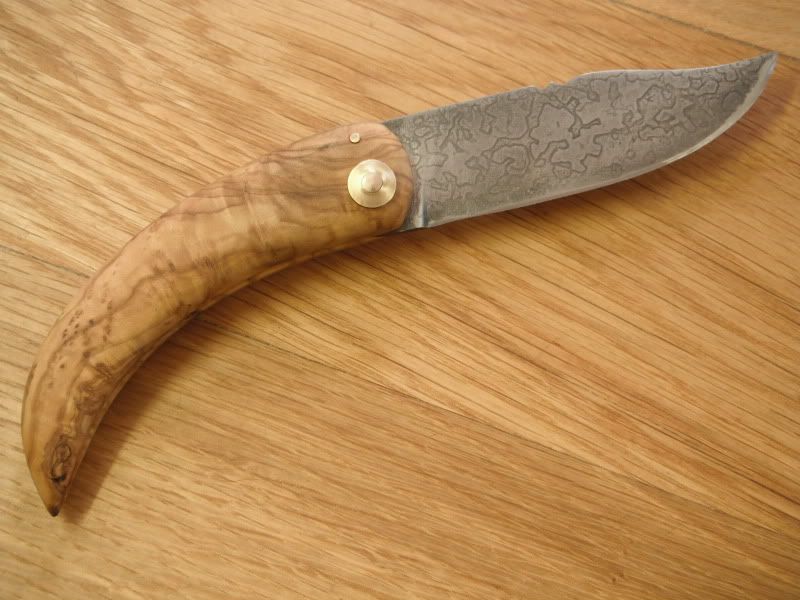
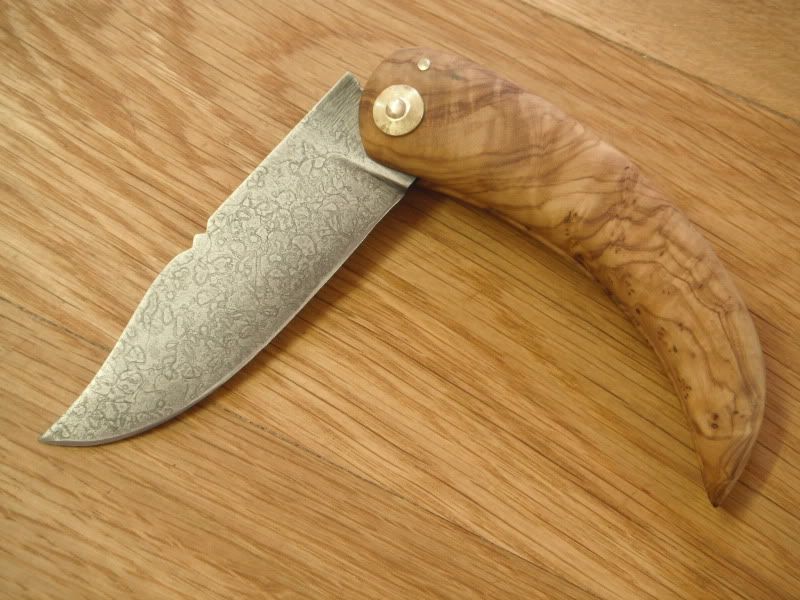
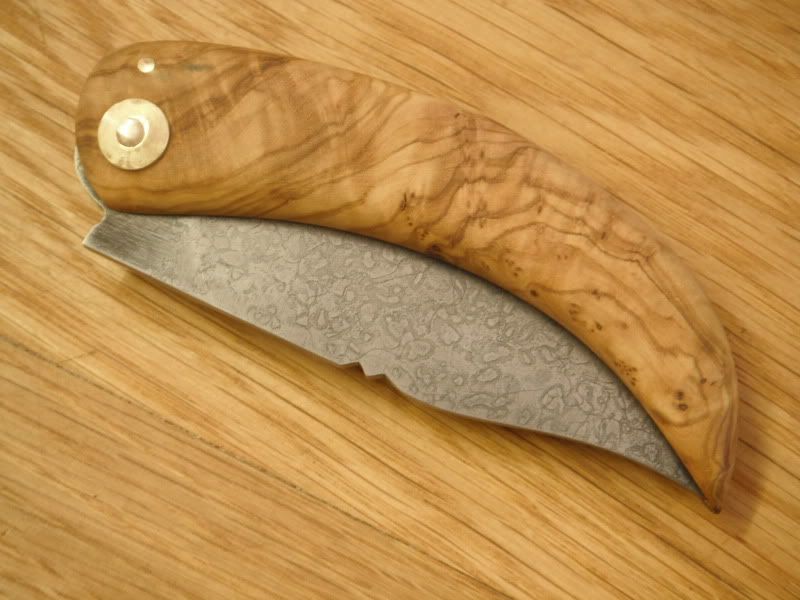
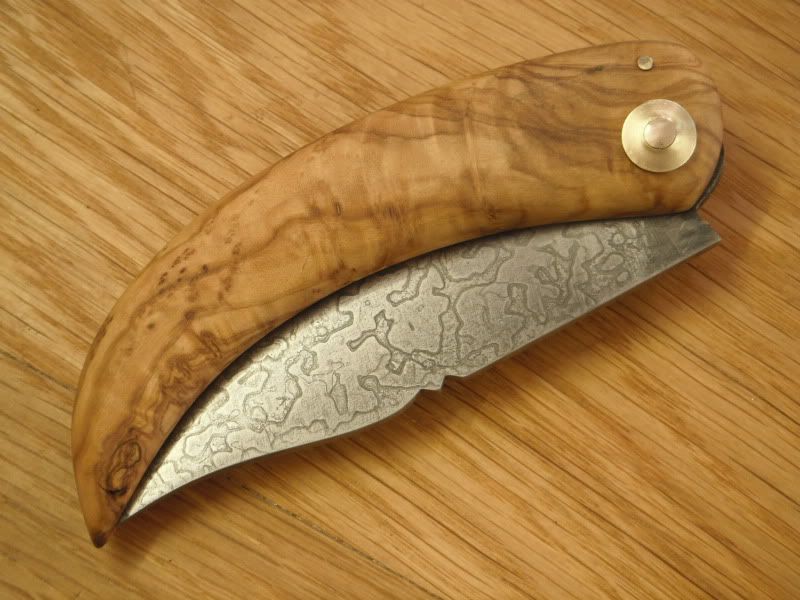
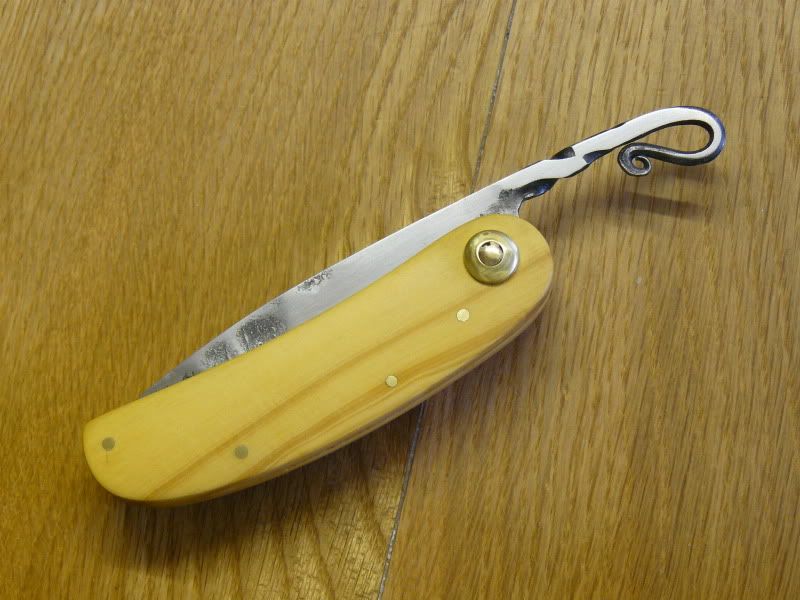
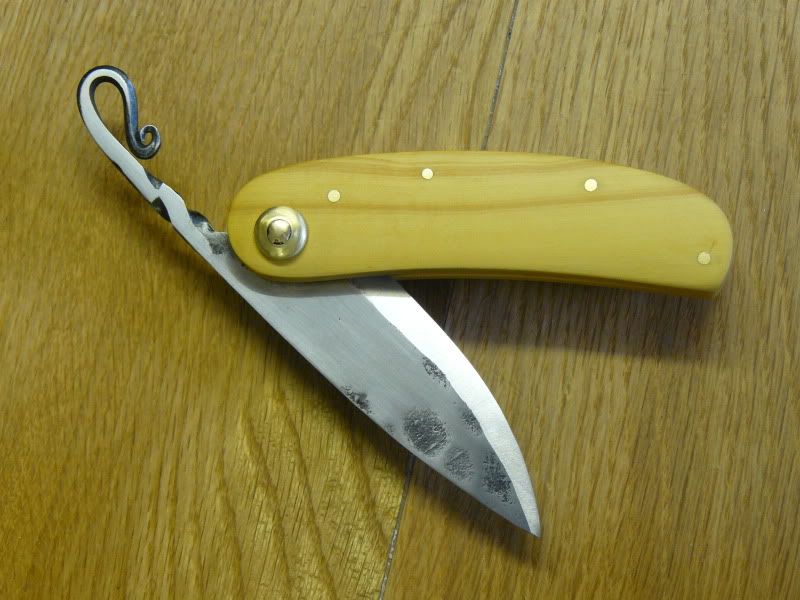
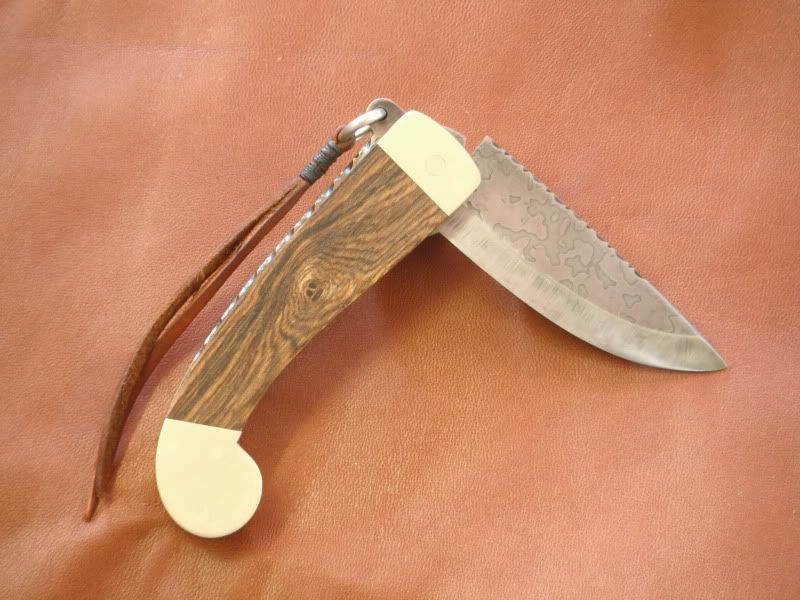
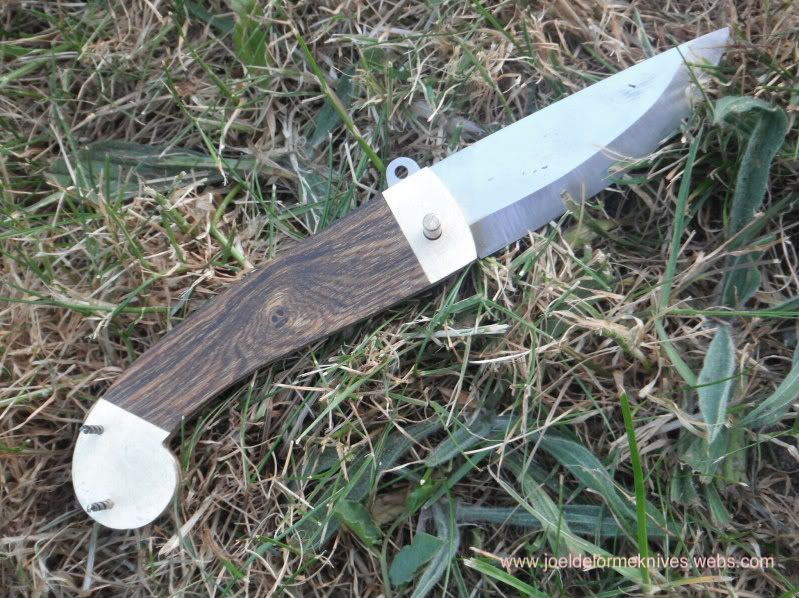
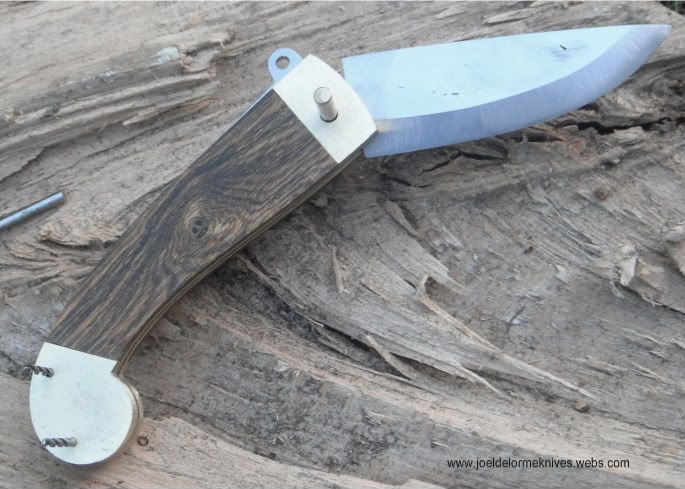
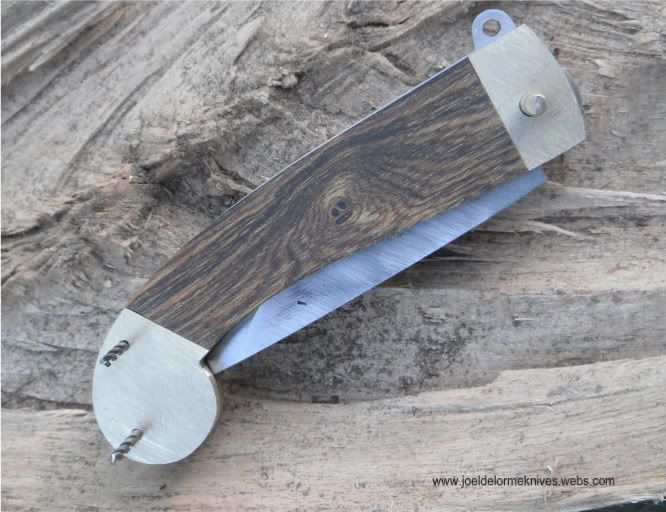
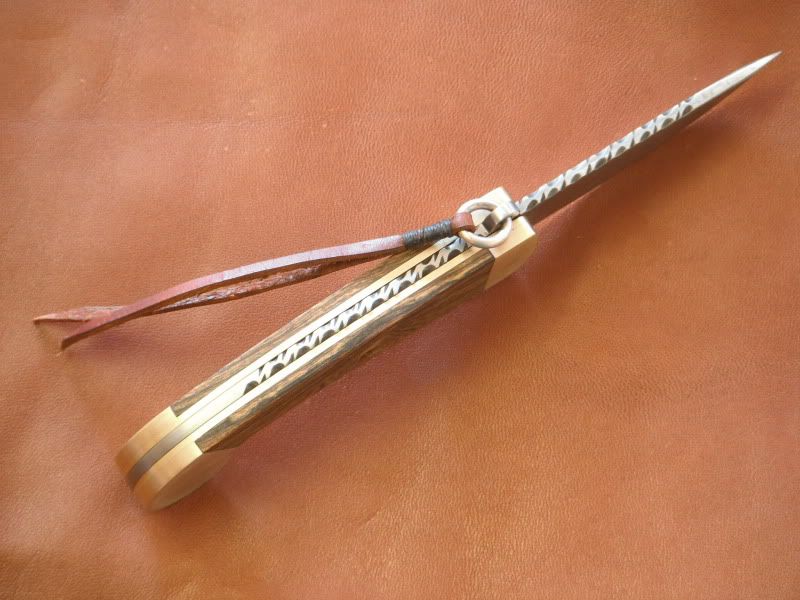
I have been looking back at French regional knives recently. I have been particularly drawn towards the Corsican Shepherd's knife, as being an attractive design, of a workaday tool.  Those knives were simple "deux clous" (two nails) models, ie, the pivot and one pin. Made, using goats' horn for the handle, steel pins, and with a forged blade

A little background info, I have roughly translated from the french:
 
Often made by the users themselves, the old Corsican knives were primarily designed as tools for work every day.

They are called - incorrectly today - shepherd's knives. But the shepherds were not the only users, far from it. These knives were put to many other uses: "stoccu", whose shape varied from valley to valley (from very small  to large knives), used to bleed livestock or big game for field work,  used a sickle Folding ("insitaghjola", literally "grafting", also called "runchetta" in the south), strongly curved blades were used for basket-makers ... Others knives had a very rounded tip for carving spoons and other wooden utensils for the kitchen. The "tarabisco" on the back of some blades were used to debark, burn or carve wood, the word refers to the coarse serrations on the back of some blades.


Most of these knives have  common characteristics: a deep, broad blade, which can take  repeated sharpening on the grindstone and repeated passages on "limaghjola" (grinding stone), and can have a long useful life.

Long before the industrial era, each village (in Corsica) had several blacksmiths. This explains why today we find across regions, substantial differences in the forms and even in their names.

Nevertheless, similarities exist: all of these blades cannot deny the influences of the Saracens, Moors, Iberian and Italian people that have shaped Corsica during its history.

Even if some "tools" have sometimes been used to drain a quarrel, they were not intended to be used as weapons. For that, there were other knives with a sharp blade that was worn under the jacket, slipped into the waist ...

Throughout its history, the Corsican Nation has seen bloody battles and violence such that, despite the appearance of firearms - and because of their prohibition by the occupant genoa - a robust "stilettu" has long guaranteed the survival of its owner ...


Unfortunately, I haven't got any goats horns (yet!) so have used some Olive wood to make the handle on mine!

I am really pleased with this knife. I am planning further tweaking on this model, and another one with a simple lock blade.

Meanwhile a few pics.


Hopefuly this will prove interesting to some people.

14 May 2011

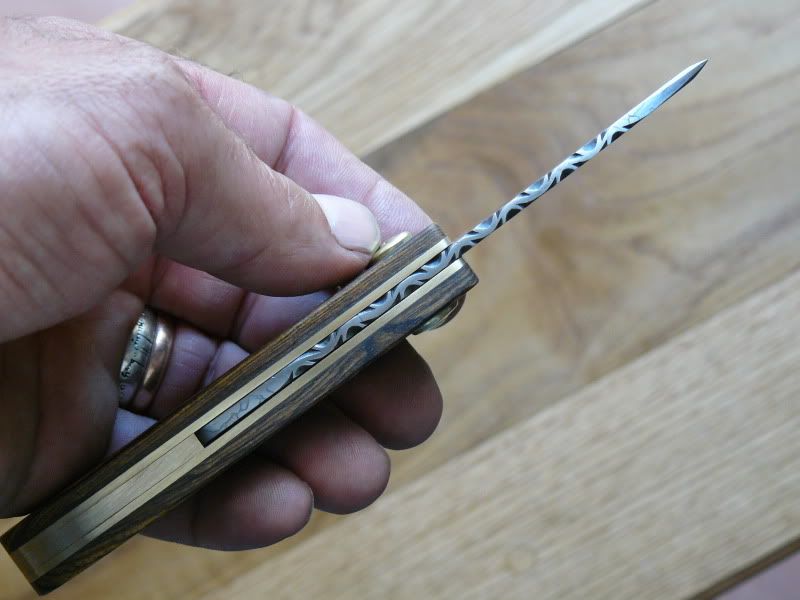
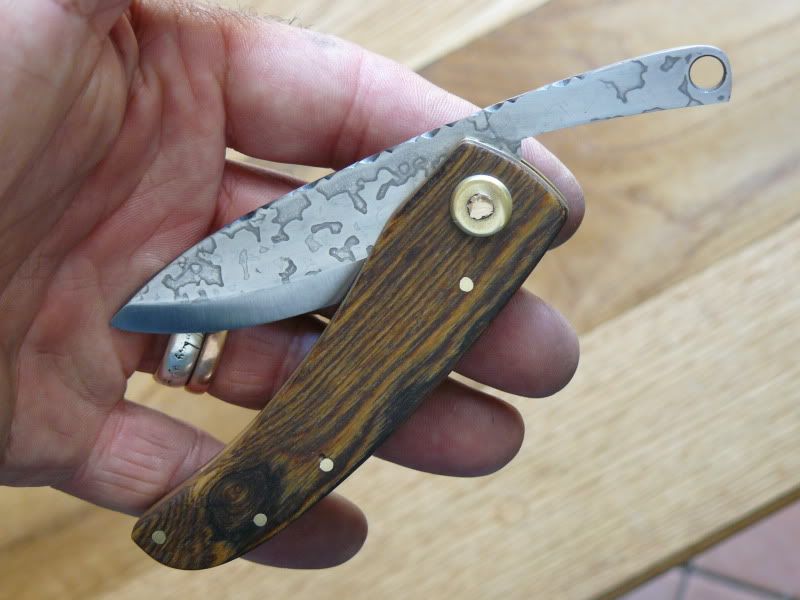
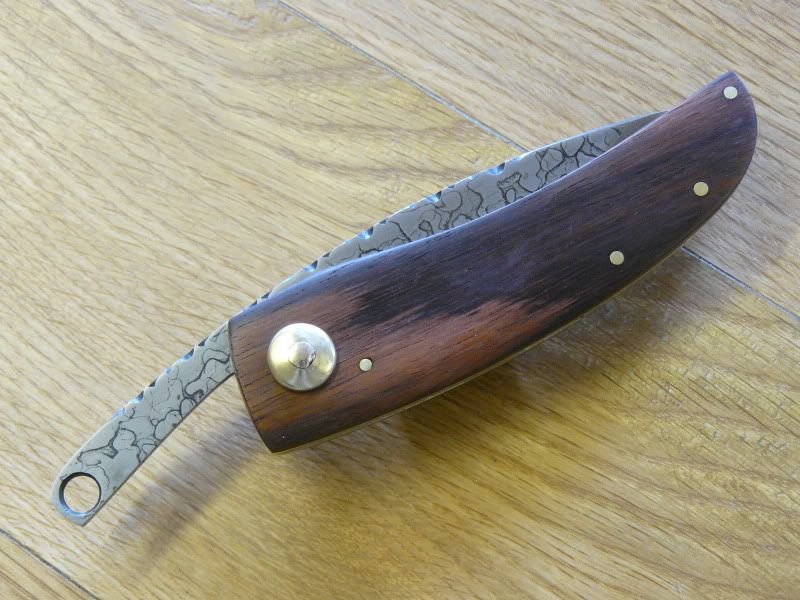
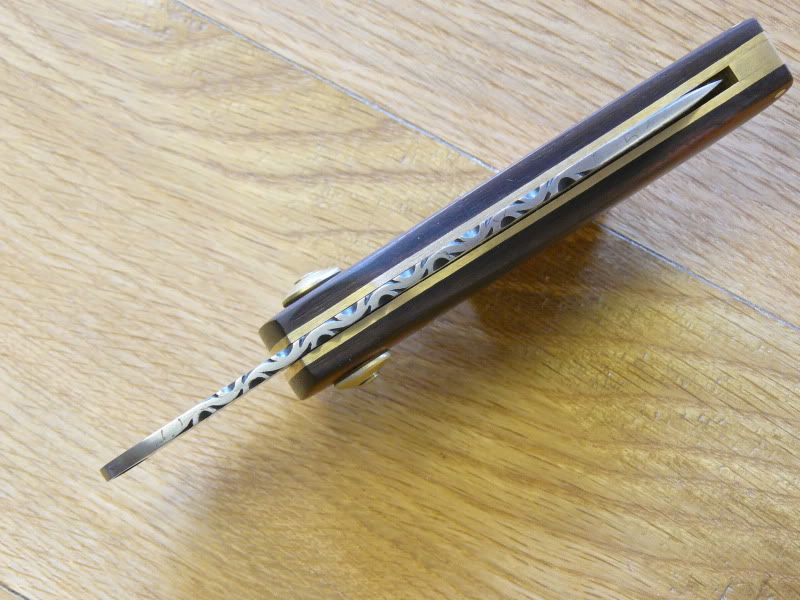
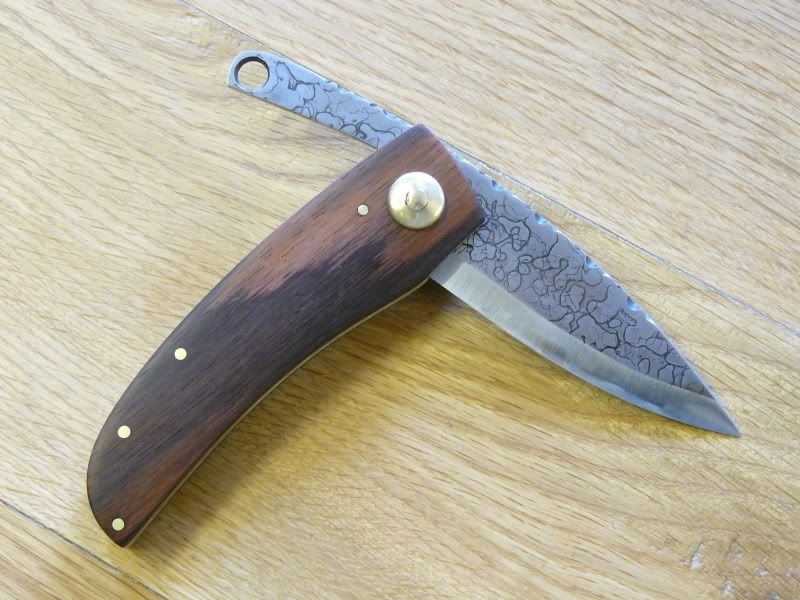
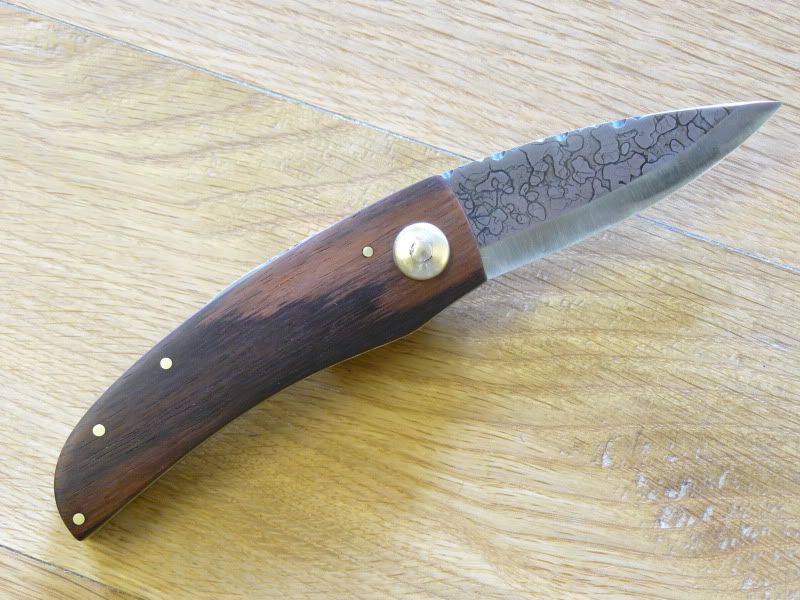
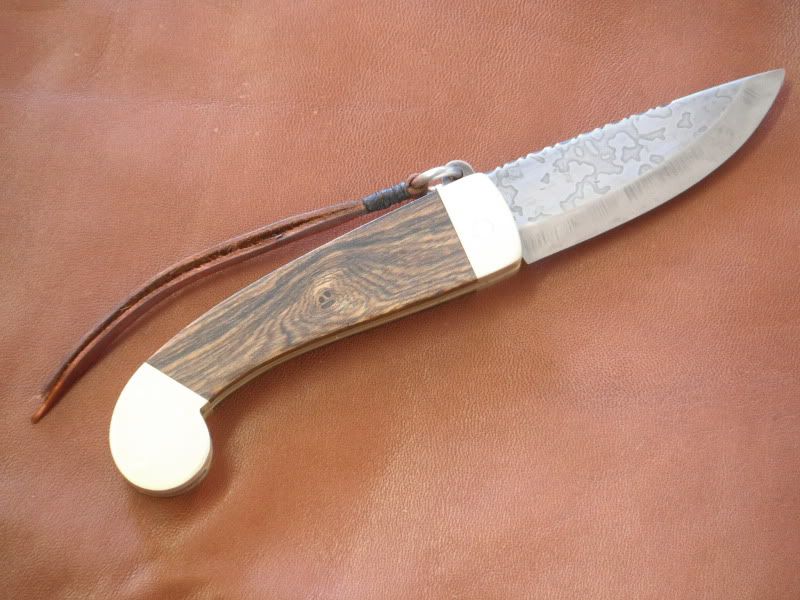
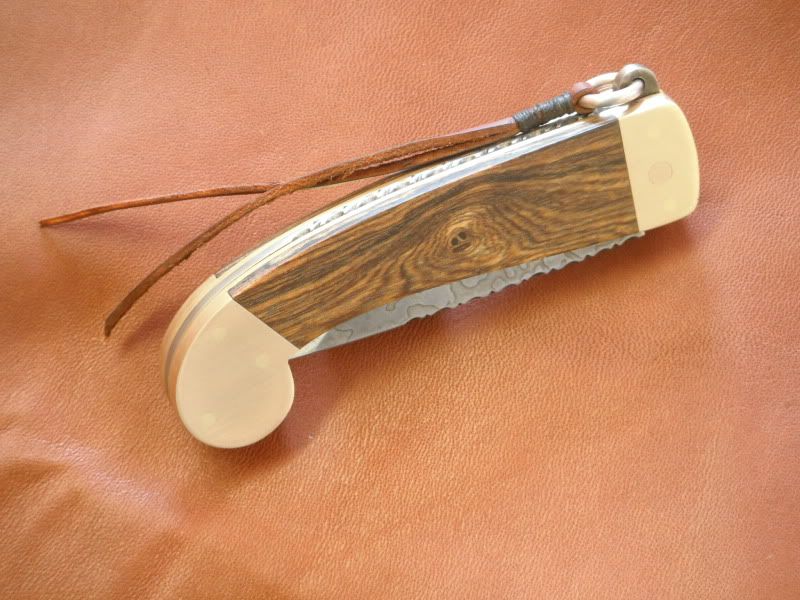
2 new friction folders

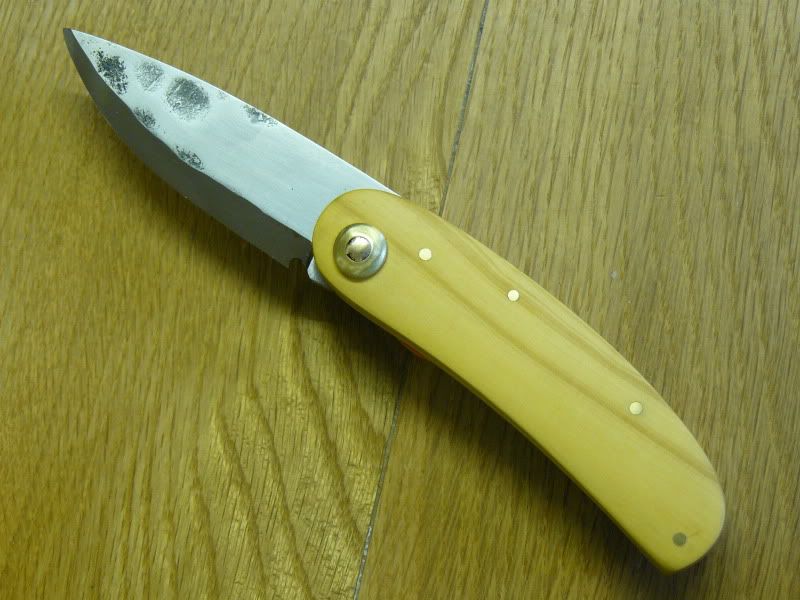
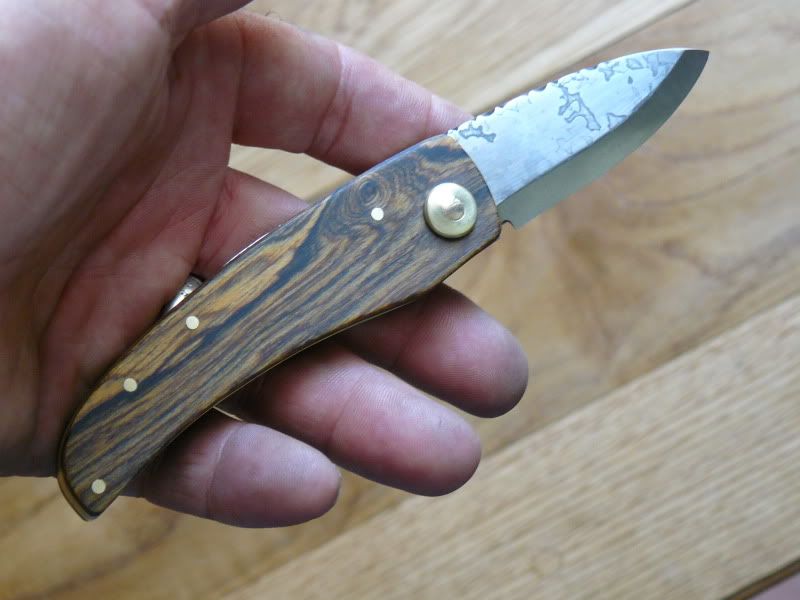
I have finished a pair of new friction folders.

Hand forged blade with Boxwood handle
Mexican Rosewood, stock removal blade

The second folder, the one with the Rosewood handle, sold within  5 minutes of being advertised...I must have done something right!

Unfortunately, I'll not be able to use Rosewood again: I have become allergic to the dust, that gave me a nasty rash on my face, neck, and hands. Shame because this wood is really nice. Cocobolo was a favourite wood too, but that is also out of bound as I reacted very badly to the dust.

Luckily for me, there are still plenty of woods I can use!

3rd folder this week

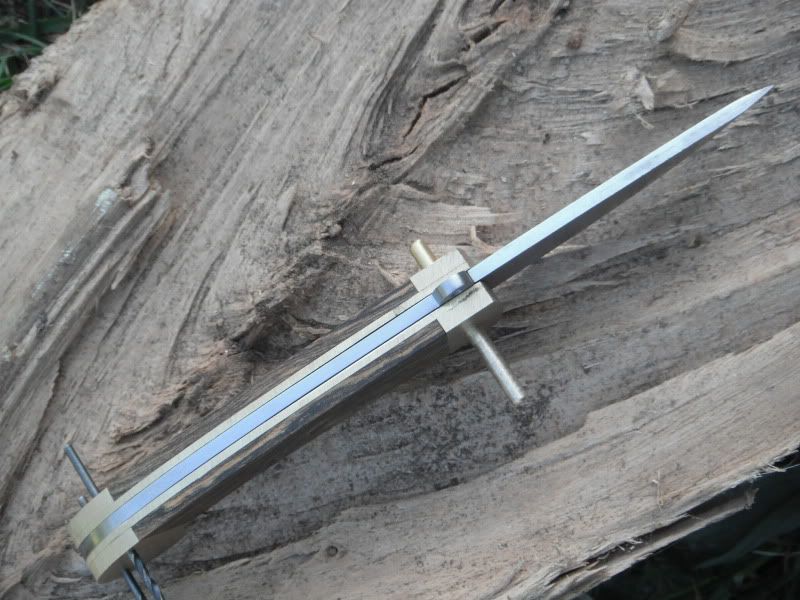
I am on a roll at the moment, making folders!  Walnut scales, all brass furniture and 01 tool steel, stock removal. It can be a bit hit and miss sometimes,  but the etching has come out really well on this one.

13 May 2011

Weird goings on

My last two posts have been missing all day. Not sure why, can only assume Blogger had some funny turn! Even weirder, they're now back tonight, but minus the 3 or 4 comments...

11 May 2011

Carving with a crooked knife

I found this short video on Youtube by folk artist Bubby Mooers carving with a crooked knife. Actually he's making a feather stick with a crooked knife to demonstrate how to use the crooked knife.

1 May 2011

New design, a spring-back locking folder

I am quite fond of small friction folders, and because I haven't worked on any new designs recently, I decided to start working on a new folder design. 

I have used an old design as a starting point. I was going to make a friction folder, but the design and work sort of wandered off on a tangent and became a spring-back locking folder instead. This is the first time I have made a spring-back locking knife. I am really happy with it. The spring I made for it would be a worthy addition to a bear trap I think!


It is only dry fitted together at the moment, but even so, there is no play at all anywhere.

I am going to fit a ring into the small hole on the top of the spring, fitted with a short lanyard. To open the spring and unlock the blade, you pull on the ring and fold the blade.

This is the first of this design and there are a few details to iron out, but I think this is going to be really solid folding knife. This one has a 3" scandi grind blade, and I am also going to make a 4" blade with more of a drop point, scandi grind model. I have thought before about making a folding bushcraft knife and I think this going to be it!